Author: LauraLorek@gmail.com (Page 50 of 352)

LauraLorek@gmail.com

Austin Cleaning Products Startups See Huge Surge in Sales From the COVID-19 Pandemic

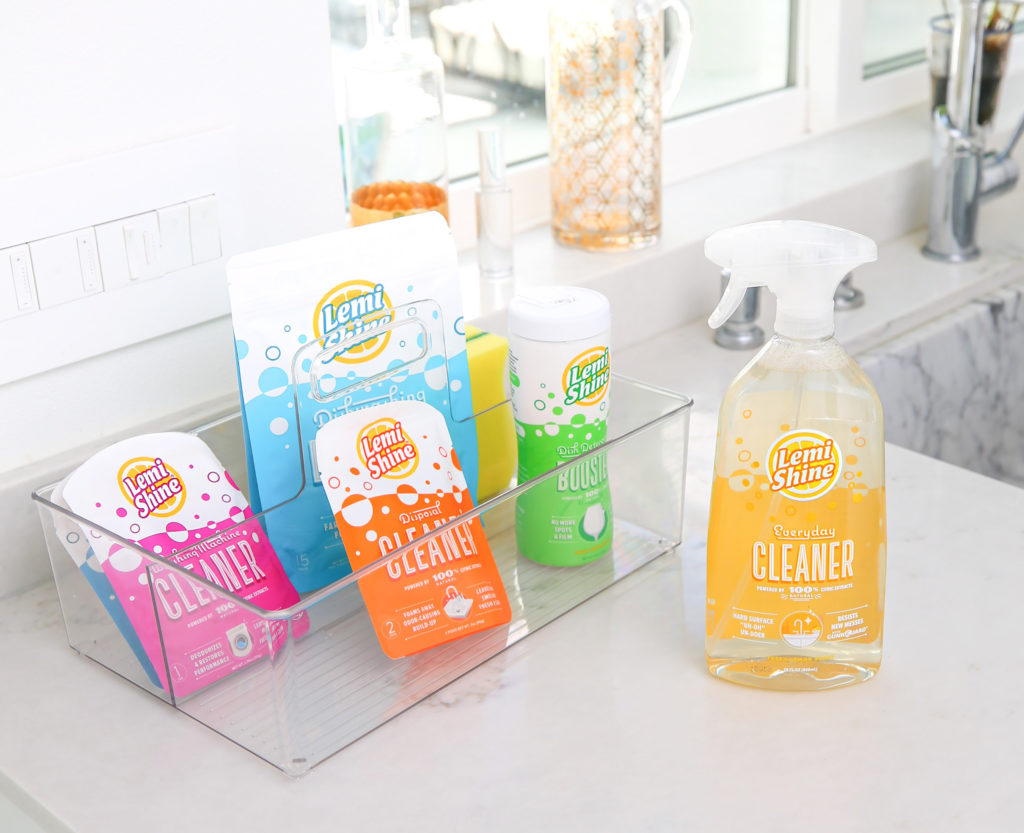
Photo courtesy of Lemi Shine

It’s a good time to be in the disinfectant and cleaning products business.

Curtis Eggemeyer, CEO of Lemi Shine, has seen demand for Lemi Shine, multi-surface antibacterial cleaner, disinfectant wipes, liquid dish soap and laundry detergent, skyrocket in sales since March.

“This isn’t something you can plan for,” Eggemeyer said. “Our demand is off the charts.”

Eggemeyer participated in a SKU Town Hall meeting on Coping with COVID-19: Amazon and D2C (Direct to Consumer), which was broadcast online at noon on Wednesday. It’s one in a series of online broadcasts SKU Accelerator has done since the Pandemic lockdown began in March. SKU Accelerator, based in Austin, works with consumer packaged goods companies, helping them to scale their businesses, launch new products, do marketing and sales, and attract investment. Kirstin Ross, managing director for SKU, led the discussion.

Austin-based Envirocon Technologies, doing business as Lemi Shine, has been making non-toxic cleaning products since 2007. It has 26 employees and more than $35 million in annual revenue, according to the company.

Lemi Shine bills itself as the “Better for You” household cleaning products brand. The active ingredient in its products is citric acid, which cleans grease and grime and also kills 99 percent of all bacteria.

In March, Lemi Shine saw a 50 percent increase in sales of its products and that is a trend that is going to continue, Eggemeyer said. It saw a 350 percent increase for disinfectant in March alone, he said. Lemi Shine sells 90 percent of its products through brick and mortar retailers with the rest of its online sales coming from Amazon. Its Amazon sales have increased 270 percent, he said.

The cleaning products industry overall is $59 billion industry in the U.S. with $16 billion of that in retail sales, and the industry accounts for 64,800 jobs, according to the American Cleaning Institute.

In March, H-E-B and other retailers saw consumers buying cleaning products with disinfectant properties as soon as they put them on the shelves. H-E-B placed limits on purchasing the cleaning products. Amazon has been sold out of most household disinfecting products.

Lemi Shine has faced some supply chain challenges with getting packaging from plastics makers, Eggemeyer said. But it is working to get products to its existing retail partners as quickly as possible, he said.

Puracy, an Austin-based maker of non-toxic, plant-based cleaning and personal care products, has seen a huge increase in the demand for its hand sanitizers and other products, said Sean Busch, one of its founders. Puracy, founded in 2014, sells its products online through its website and Amazon and through select retailers like Target.

Amazon has prioritized the shipment of many products to essential items only during the pandemic, said Carolyn Lowe, CEO of ROI Swift, an Austin-based digital marketing firm focused on retailers. Amazon also is not accepting any new retailers or products during this time, she said. A lot of the brands ROI Swift works with had four weeks of inventory at Amazon’s distribution centers at the time of the lockdown and they have fared well during these difficult times, she said.

Puracy is making alcohol-based hand sanitizers that are being produced at a distillery, Busch said. He’s also looking at expanding Puracy’s line of products to include surface disinfectants, he said.

Puracy has been bullish on direct to consumer and e-commerce sales in general since it launched, Busch said. The pandemic has accelerated the adoption of online shopping by consumers and he expects that to continue, he said.

Editor’s note: this article has been updated to provide the latest employee count and revenue figures for Lemi Shine.

Airbrake Raises $11 Million in Funding

Airbrake, which makes software that tracks errors in web apps, announced this week it has raised $11 million in funding.

The company, founded in 2010, is based in San Francisco but has a large presence and office in Austin.

Austin-based Elsewhere Partners led the financing round. Airbrake has an interesting history. Exceptional bought Airbrake and merged operations in 2012. Then the company was acquired by San Antonio-based Rackspace in March of 2013 and the spun out of Rackspace as an independent company in 2015.

“Airbrake grew rapidly and profitably under the product-focused leadership of Joe Godfrey,” Nick Stoffregen, Vice President at Elsewhere Partners, said in a news release. “The company created a product that developers love, and Airbrake has grown organically as a result, without dedicated sales and marketing teams.”

Airbrake recently added several executives to its staff including Shelley Perry, executive chairman, Treb Ryan, CEO, Eric Anderson, CTO, Chad Savoy, CRO, and Joe Godfrey as CPO.

“We’re excited to continue nurturing the strong relationships Airbrake has built with customers in the developer community,” Ryan, CEO of Airbrake, said in a news release. “Once dev teams try Airbrake, they uncover real-world errors across the entire solution that they never knew existed,” Ryan said. 

“Airbrake is a textbook example of the success of product-led growth,” Perry, Executive Chairman of Airbrake, said in a news release. “This investment allows Airbrake to focus on value-led growth, which includes increasing customer feedback, building community, and investing in partnerships within the CI/CD ecosystem,” Perry said. 

Airbrake makes application monitoring service software that alerts developers when it finds an error in the code. The program can provide real-time feedback that allows developers to improve the software quickly. Airbrake has thousands of customers including Netflix, Twitch, Salesforce, TED and Adobe.

SourceDay Lands $12.5 Million in Funding Amid Increased Demand for its Supply Chain Management Software Spurred by the COVID-19 Global Pandemic

Tom Kieley, CEO, SourceDay

SourceDay, which makes supply chain management software, announced on Tuesday that it has raised $12.5 million in venture capital funding.

The Austin-based startup, founded in 2013, has raised $23.3 million to date. The company’s latest Series B round of funding was led by Baird Capital with participation from existing investors Silverton Partners, ATX Ventures and Draper Associates.

SourceDay is filling a need for manufacturers and distributors that depend on supply chain management software now more than ever because of the impacts of the COVID-19 global pandemic.

“As businesses face unprecedented times, they are seeking faster answers to bigger challenges,” Joanna Arras, Principal at Baird Capital and SourceDay’s newest board member said in a news release. “More than ever, companies need resilient and agile supply chains. Poor supply chain visibility and inefficient collaboration will be crippling during this time of rapidly shifting demand. Baird Capital is proud to invest in SourceDay to help companies face these challenges head-on.” 

SourceDay has more than 6,000 global manufacturers as customers. The latest funding will “enhance SourceDay’s ability to help its customers mitigate supply chain risk as the pandemic continues to play out and prepare for when the eventual rebound hits,” according to a news release.

SourceDay expects to use the funds from this round on product development and marketing.  

“The COVID-19 pandemic is exposing the ways that outdated supply chain practices make manufacturers vulnerable,” Tom Kieley, CEO, SourceDay, said in a news release. “I’m excited to add Baird Capital to our team of investors. Baird’s experience with leading SaaS companies and its relationships across the manufacturing sector will help SourceDay achieve our mission to make companies less vulnerable to current supply chain disruptions and to all kinds of shifts in demand.”

Last year, SourceDay landed thousands of new customers. The company also doubled in size to more than 50 employees.

AlertMedia Sees a Huge Increase in Demand for its Emergency Communications Software in the Wake of the COVID-19 Pandemic

Brian Cruver, CEO and Founder of AlertMedia Photo by: Trigaci Photography (www.trigaci.com)

AlertMedia has become a critical communications tool for many companies during this COVID-19 global pandemic.

The Austin-based startup provides emergency communication software, used by over 2,000 enterprise companies in 100 countries to keep employees safe from threats to their health and safety. Its customers include Walmart, HEB, DHL, Greyhound and Healthgrades.

“We’re solving a big problem in this global pandemic,” said Brian Cruver, founder and CEO of AlertMedia.

“Our system is perfect for helping people deal with this,” he said.

And at a time when many companies have taken a huge hit in sales, AlertMedia’s business has increased dramatically. AlertMedia added 250 new enterprise customers in March alone. And the company plans to hire 100 more employees to its staff of 150, Cruver said.

In response to the COVID-19 pandemic, AlertMedia customers are using the platform to send and receive two-way messages, manage operational changes, perform wellness-checks, and dispatch critical communications to their employees.

Buildings are closing down and people are working from home, Cruver said. Things are being canceled and postponed indefinitely, he said. Companies are keeping their employees informed with AlertMedia and responding to their needs during this pandemic, he said.

AlertMedia Monitoring Center, Photo by Trigaci Photography (www.trigaci.com)

And AlertMedia is using its own system to communicate urgent messages and updates to its 150 employees, Cruver said.

Cruver spoke recently with Silicon Hills News for its Ideas to Invoices podcast.

And on Tuesday, the company announced it has raised $15 million in Series C funding led by existing investors including JMI Equity, Next Coast Ventures, and Silverton Partners. To date, the company has raised $45 million since its founding in 2013.

AlertMedia plans to use the funding to “accelerate product innovation, continue to support existing customers, and help meet growing market demand by expanding its team,” according to a news release.

“It’s refreshing to see a company like AlertMedia thrive financially while also helping millions of people every day,” Bob Nye, General Partner at JMI Equity said in a news release.

In 2013, Cruver founded AlertMedia when he noticed that most companies in the emergency alert industry only focused on a one-way broadcast.

“Get the word out and get the word out fast with a tech message and that was it,” he said.

He saw an opportunity to create a real-time communications channel. At the time, he watched tragedies like the Sandy Hook Elementary School shooting, which occurred in December of 2012, and the Boston Marathon Bombing on April 15, 2013, unfold and he wanted to create a better communications system to deal with emergencies.

Those events were unfolding on social media, Cruver said. People involved in those events were posting to social media about them, he said.

“That for me was a dramatic shift,” he said. “The audience needs more than just a one-way broadcast.”

So Cruver built a platform that allows companies to have a conversation and get information to the audience. And AlertMedia can reach people on all available channels including email, voice, text, slack, social media – “we can do all of that in a couple of clicks,” Cruver said.

Companies are using AlertMedia for important situations involving severe weather, hurricanes, security threats, system outages, and right now the COVID-19 global pandemic.

“That is something we never thought of but it’s kind of exactly what we are built for,” he said.

People are getting the messages no matter where they are throughout the world, he said.

It’s been extraordinary these last few weeks, Cruver said.

“As a company, we don’t celebrate these things,” he said. “We don’t in any way celebrate hurricanes, wildfires and global pandemics. We celebrate the fact we are helping people.”

For more, listen to the entire podcast, pasted below or wherever you get your podcasts – available on Google play store, Apple iTunes, Spotify, PlayerFM, Libsyn and more.

Editor’s note: Silicon Hills News is on Patreon. Please visit the site to pledge $1 or more a month to support the Ideas to Invoices podcast and other work we do at SiliconHillsNews.com. Thank you for your support!

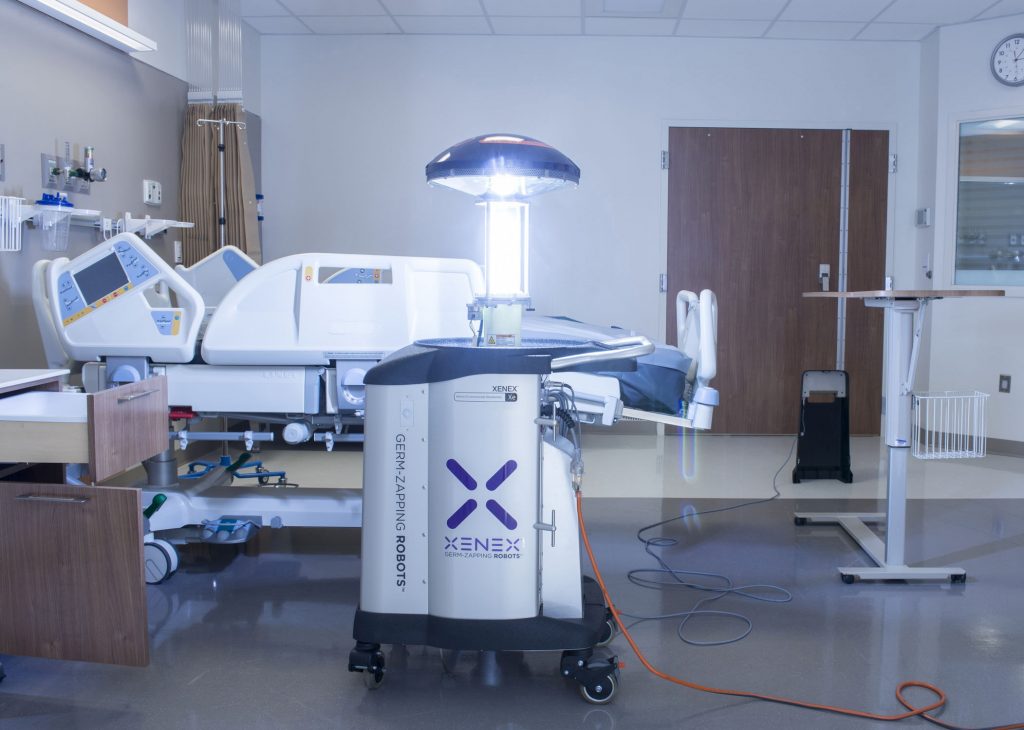
Xenex Deploys Germ-Zapping Robots Worldwide to Fight the Coronavirus Outbreak

Photo courtesy of Xenex

Coronavirus is hitting like a tsunami worldwide with 105,586 cases confirmed in more than 100 countries resulting in 3,584 confirmed deaths, according to the World Health Organization.

In the U.S., the threat of a widespread outbreak of the Coronavirus is causing governments to declare states of emergency, companies to have their workers telecommute and large events like South by Southwest in Austin have been canceled.

In San Antonio, Xenex Disinfection Services is seeing a lot of interest in its germ-fighting robots, which look like R2D2, but with a head that extends and pulsates light resembling ET. The robots are already doing battle against infectious diseases in more than 500 hospitals nationwide. But now, Xenex is looking at deploying the robots to places like Tokyo for the summer Olympics or to China to help disinfect environments following its Coronavirus pandemic.

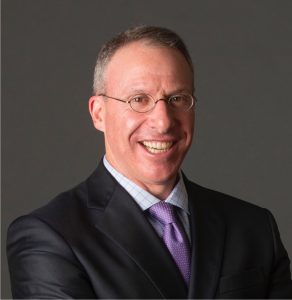
Morris Miller, CEO, and Co-Founder of Xenex Disinfection Services, courtesy photo

In this episode of the Ideas to Invoices podcast, Morris Miller, Chief Executive Officer at Xenex Disinfection Services, talks about how Xenex’s technology can be beneficial in destroying the Coronavirus. Xenex makes germ-zapping robots that use pulsed xenon UVC light to destroy viruses like MRSA, Ebola, flu and the Coronavirus.

Morris co-founded and provided the initial funding for Xenex. Its robots are used to disinfect healthcare facilities, nursing homes, schools and pharmaceutical manufacturing facilities, and other environments.

Previously Morris co-founded Rackspace Managed Hosting. He also founded Curtis Hill Publishing, the first company to publish Texas case law on CD-ROM, which sold to Thomson Legal Publishing.

The story of Xenex starts with the founders, Julie Stachowiak and Mark Stibich, both with PhDs in epidemiology from Johns Hopkins, Miller said. They used pulsating xenon bulbs to produce ultraviolet light to destroy bacteria and viruses that can cause hospital-acquired infections, Miller said.

Xenex started at the Houston Technology Center accelerator and then moved to Austin. Miller became an investor in the company and then moved Xenex to San Antonio.

Hospitals use Xenex robots to kill microorganisms that cause MRSA, VRE and C. diff, and can greatly reduce hospital-acquired infections and ultimately reduce suffering and save lives, Miller said.

“It’s critical to stop the pathogens because there aren’t antibiotics to treat them,” Miller said.

Xenex robots have also been used to disinfect a hospital room in Dallas after a patient died there from the Ebola virus.

“The same thing is available today for the Coronavirus,” Miller said.

San Antonio has become ground zero in Texas for the coronavirus with several hundred people being quarantined at Lackland Air Force Base.

Miller said he is talking with government officials about how to contain and clean environments for the COVID-19 coronavirus in the wake of the outbreak of the virus in different cities and states. Currently, Xenex robots are being used in California and Nebraska where they have had patients with the coronavirus, Miller said.

Last week, a woman was released from quarantine from Lackland Air Force Base after two tests showed she did not test positive for the Coronavirus. However, after she left, officials received the results from a third test showing she was positive for the virus. The woman had checked into a hotel and then went to the North Star Mall in San Antonio following her release. The mall shut down the next day to clean the food court and stores the woman had visited. And Mayor Ron Nirenberg declared a state of emergency in the city.

COVID-19 Coronavirus can live up to nine days on a surface, Miller said. Xenex robots can disinfect an environment like a food court in a mall in a few hours, he said. Xenex reached out to the mall owners and offered to do it, but the mall owner did not respond, Miller said.

Looking at the history of epidemics, and in particular, the Spanish flu, which caused widespread infection and death, now is the perfect time to prepare to reduce the number of infections and deaths from the COVID-19 Coronavirus, Miller said. The infection rate might decrease during the summer months but hit hard in the fall, he said. That’s what happened with the Spanish flu, he said.

“If the virus comes back in the fall with a vengeance, you’re ready to stop it in its tracks,” he said.

There are so many environments that Xenex can disinfect, Morris said. It can disinfect airplanes, movie theaters, concert halls, schools, cruise ships, office buildings and other places where large groups of people frequent, he said. Xenex has focused on hospitals because that’s the most critical application of its technology to date, Miller said. But the possibilities for its technology are limitless, he said.

Xenex robots cost about $105,000 each and are manufactured in San Antonio. Xenex has expanded internationally but it’s not in China because of concerns about protecting its intellectual property, Miller said. Xenex has offered robots to China, but the Chinese government hasn’t taken it up on it yet, Miller said.

“We really want to bring the solution everywhere we can across the world,” Miller said.

For more, listen to the entire podcast, pasted below or wherever you get your podcasts – available on Google play store, Apple iTunes, Spotify, PlayerFM, Libsyn and more.

Editor’s note: Silicon Hills News is on Patreon. Please visit the site to pledge just $1 a month to support the Ideas to Invoices podcast and other work we do at SiliconHillsNews.com. Thank you in advance for your support!

Austin Officials Cancel SXSW

The show isn’t going on after all.

On Friday, City of Austin officials held a press conference and announced the cancellation of SXSW and SXSW.EDU, set to take place next week.

“We are devastated to share this news with you. “The show must go on” is in our DNA, and this is the first time in 34 years that the March event will not take place,” according to a statement from SXSW. “We are now working through the ramifications of this unprecedented situation.”

Earlier in the week, City Officials said the show would go on. But on Friday, Mayor Steve Adler, Travis County officials and a health advisory board, decided to cancel the event amid growing concerns about the spread of the Coronavirus.

“We are exploring options to reschedule the event and are working to provide a virtual SXSW online experience as soon as possible for 2020 participants, starting with SXSW EDU,” according to a SXSW statement. “For our registrants, clients, and participants we will be in touch as soon as possible and will publish an FAQ.”

SXSW is a huge event for Austin. Last year, SXSW attracted 417,400 people to Austin including participation from more than 100 countries. It also had an impact on the Austin economy of $355.9 million, according to SXSW.

And even before the SXSW cancellation, several tech companies announced plans to withdraw from various panels, keynote talks, parties and other events. 

There are no confirmed cases of the Coronavirus in Austin. But Texas now has five cases of people testing positive for the Coronavirus in the Houston area. The cases are among a group that travelled overseas together.

San Antonio also had some people who tested positive for the Coronavirus that were evacuated from China and from a cruise ship off the coast of Japan to Lackland Air Force Base. They were being held in quarantine.

The ripple effect of SXSW being cancelled will be felt throughout the local economy in hotels, restaurants, bars and stores.

“I’m not surprised SXSW was cancelled but I’m worried about the local restaurants that needed the revenue,” said Tony Tovar, head of community for Sana Benefits, an Austin-based healthcare startup. “I asked all of my coworkers to support their neighborhood restaurants, bars, coffeeshops, etc.”

Earlier in the week, Joshua Baer announced Capital Factory would not be hosting its Austin Startup Crawl, an annual ritual involving hordes of people visiting various tech centers around town. He also said Capital Factory cancelled Capital Factory House at SXSW and would not be hosting activities at its offices as it originally planned.

“Safety is our top priority,” Baer wrote in a post on Medium. “There is no hesitation about this decision after reviewing all of the available information and speaking at length with all of our team, our members, our partners, and our advisors.”

Ben Lamm, co-founder, and CEO of Hypergiant, also announced Friday that it was no longer hosting three days of special events focused on the space industry and artificial intelligence at its headquarters downtown.

Zoho Cancels Zoholics in Austin Amid Concerns About the Coronavirus

Zoho, which has a large and growing campus in Austin, announced on Wednesday plans to cancel its annual Zoholics event in Austin, in late April.

“After consulting with global health experts across our various regions, we believe that this is the safest and most responsible decision for the entire Zoho community,” ccording to an email from Sandra Lo, Zoho spokeswoman. 

Zoholics is Zoho’s annual user conference. It was set to take place April 28 to April 30th at the Palmer Events Center. Zoholics featured keynote speeches, panel discussions, product demonstrations, parties and more.

Zoho is not the only tech company to cancel annual events. In February, the organizers behind the Mobile World Congress in Barcelona canceled the event because of fears of spreading the Coronavirus. Other tech giants have followed suit. Google cancelled Google I/O and Facebook nixed F8, its developers conference and the Adobe Summit is now an online event. The economic impact of those cancellations is expected to exceed $500 million, according to Recode, citing data from PredictHQ.

SXSW, which kicks off on March 13, is still going on as scheduled with a few alterations to its programming from a few cancelled speakers and pullback from a few tech companies.

The Coronavirus is now in 22 countries with more than 90,000 confirmed cases and more than 3,100 confirmed deaths, according to the World Health Organization. The virus can bring on flu-like symptoms, ranging from mild to severe illness and death. Symptoms may appear between two days and 14 days after exposure. Symptoms include fever, cough, and shortness of breath.

“We are proud of the time and attention we always give to our guests at events, from customers, partners to influencers, but this requires a large global employee presence on our end to provide the 1-1 access Zoho is known for,” Lo said in the email.  “Without the support of our international teams, we cannot deliver the extensive agenda we had planned for this year’s Zoholics.  This would have been the largest Zoholics to date — 3X larger than last year’s in projected attendance and number of sessions.”

The 2019 Zoholics event at the Palmer Events Center attracted more than 1,600 people attending, including 200 Zoho employees.

At Zoho’s 2019 event, Sridhar Vembu, Zoho’s founder, announced the software company is moving its headquarters from Pleasanton, Calif. to a 369-acre campus near the Austin airport.

Zoho has more than 100 local employees and it has leased office space int he Bergstrom Tech Center. It is building a 100,000 square foot building on its campus, which it expects to complete next year. That building is expected to house 500 employees.

Zoho, founded 24 years ago, has more 7,000 employees with many of them based at a 45-acre campus in Chennai, India. Zoho makes a suite of software applications to run a business. It calls its Zoho One product “an operating system for business.”

SXSW is On Track to Happen in Austin

2019 Artist, Khalid — Photo by Steve Rogers Photography/Getty Images

The show will go on.

South by Southwest is not cancelled.

“There’s no evidence to suggest cancelling SXSW makes the community safer,” Mayor Steve Adler said during a press conference Wednesday morning. 

If that changes, the city, county and a health advisory panel will take action, Adler said. They are continually evaluating the evidence and data around the coronavirus, he said. 

SXSW organizers said the conference will still take place and they have posted extensive information about the Covid-19 Coronavirus on its website with information on how the conference is dealing with the threat. The conference kicks off March 13thand runs through March 22nd.

SXSW is a huge event for Austin. Last year, SXSW attracted 417,400 people to Austin including participation from more than 100 countries. It also had an impact on the Austin economy of $355.9 million, according to SXSW.

And even though city, county and SXSW officials have not cancelled the conference, several tech companies have announced plans to withdraw from various panels, keynote talks, parties and other events. 

Facebook and Twitter have both announced plans to withdraw from SXSW amid growing concerns about the spread of the coronavirus.

Earlier, Twitter CEO Jack Dorsey, who was scheduled to give a keynote talk at SXSW, announced he would not be participating because of the coronavirus. 

As of Wednesday, the list of tech companies withdrawing from participating has grown to include Intel, SAP, Vevo, Mashable and Tik Tok, according to CNN.  And Amazon Studios just announced plans to curtail its participation, according to Deadline.com.

And Author and Podcaster Tim Ferriss has announced he will not participate in SXSW and he took to Twitter to ask Mayor Adler to cancel the event to prevent a widespread outbreak of the virus in Austin.

An online petition calling for SXSW to be cancelled has also garnered more than 44,000 signatures.

The Centers for Disease Control and Prevention reports 80 cases of Coronavirus in the U.S. resulting in nine deaths, and 13 states reporting cases. 

The outbreak first started in Wuhan China with the first reported cases on Dec. 31st, 2019. 

To date, there are 90,893 reported cases of Covid-19 in 22 countries globally and 3,110 deaths, according to the World Health Organization press briefing on Wednesday.  Officials with the World Health Organizations did not recommend cancelling large events unless there is an immediate threat posed to those participating.

There are no confirmed cases in Texas, according to the Texas Department of Health Services. There are a number of people who tested positive for Covid-19 in people evacuated from China to Lackland Air Force Base in San Antonio, Texas, according to the agency. But those people are under federal; quarantine and do not pose a risk to the general population. “The individuals will remain isolated at medical facilities until they test negative for the virus and are no longer at risk of spreading it.”

“The risk for all Texans remains low,” according to the Texas Department of Health Services.

The Coronavirus can bring on flu-like symptoms, ranging from mild to severe illness and death. Symptoms may appear between two days and 14 days after exposure. Symptoms include fever, cough, and shortness of breath.

The best way to prevent the spread of the disease is to stay home if you’re sick. The other recommendations from the CDC include:

  • Avoid close contact with people who are sick.
  • Avoid touching your eyes, nose, and mouth.
  • Cover your cough or sneeze with a tissue, then throw the tissue in the trash.
  • Clean and disinfect frequently touched objects and surfaces using a regular household cleaning spray or wipe.
  • Wash your hands often with soap and water for at least 20 seconds, especially after going to the bathroom; before eating; and after blowing your nose, coughing, or sneezing. If soap and water are not readily available, use an alcohol-based hand sanitizer with at least 60% alcohol. Always wash hands with soap and water if hands are visibly dirty.

Hypergiant to Host SpaceCom and The AI Collective During SXSW

SXSW is less than three weeks away and Austin is going to be hopping.

There’s a ton of great programming for those with badges, but there are also some great activities going on for the general public.

This year, Hypergiant, a startup in downtown Austin cofounded by Ben Lamm, is hosting two special events and three days of panels, speakers and programming open to the public.

The first event kicks off at 10 a.m. on Saturday, March 14th, at Hypergiant’s headquarters at 522 W 6th St. It’s the first ever, SpaceCom and it explores how aerospace and industry come together to connect space technologies and business innovation.

Space is limited, so make sure to grab a ticket on Eventbrite.

The second event is Hypergiant Presents: The AI Collective, which runs Sunday, March 15ththrough Monday March 16thfrom 11 a.m. to 5 p.m. 

“The AI Collective is an inclusive space for education, conversation, and collaboration around AI and emerging technologies for social good,” according to Hypergiant.

The AI Collective also requires tickets.

Hypergiant is also hosting some invite-only events like the Texas Takeover on Friday, March 14that The Venue from 9 p.m. to 1 a.m. It is an “invite-only VIP party for the who’s who of SXSW,” according to Hypergiant. The party will feature special musical guests Paul Wall and Slim Thug.

WSJ Ranks Austin as the Nation’s Hottest Big City Labor Market

The Wall Street Journal has ranked Austin as the hottest big city labor market in the country.

Austin beat out number two, Nashville, on the list.

The Wall Street Journal ranked Austin, which has an unemployment rate of 2.7 percent, as its top spot because of big expansion projects announced in the area, particularly Apple’s $1 billion new campus in North Austin. That campus is expected to employ 15,000 when fully operational. Already, Apple has more than 7,000 local employees.

The Wall Street Journal, using Moody’s Analytics, examined the labor markets in 381 metro areas. It ranked the cities based on the unemployment rate, labor-force participation rate, job growth, labor-force growth and wage growth.

Austin had 70.3 percent labor force job participation rate, 2.3 percent job growth, labor force job growth of 1.6 percent and wage growth of 5 percent, according to the Wall Street Journal. 

That means in a job market with relatively tight supply, people are getting paid more in Austin in recent years. 

It’s no secret Austin is booming. Take a look at the city’s skyline and count the cranes to see how many new skyscrapers are going up around town. The city of Austin also has a map detailing all of the project underway. Contributing to its growth is Austin’s booming tech sector with lots of startup activity as well as big tech giants like Google, Amazon, Facebook and Apple having large campuses here. The city also has an emerging medical technology industry with Dell Medical School at the University of Texas at Austin making an impact.

The other cities on the top ten list included Denver, 3, and Seattle, San Francisco, and Salt Lake City, Utah, all tied for fourth place, followed by Raleigh, North Carolina, 7, Orlando, 8, Dallas-Fort Worth-Arlington, 9, and San Jose, 10th.

San Antonio-New Braunfels ranked 13thon the list.  Houston, The Woodlands and Sugar Land, ranked 21st

In the Wall Street Journal’s ranking of small cities with less than 1 million people, two Texas cities ranked near the top, Midland, 2, followed by Odessa and Boulder, Colorado took the number one spot.

« Older posts Newer posts »

© 2026 SiliconHills

Theme by Anders NorenUp ↑