Author: LauraLorek@gmail.com (Page 95 of 354)

LauraLorek@gmail.com

At SXSW, London Mayor Sadiq Khan Advocates for Gender Equality

By Laura Lorek
Publisher of Silicon Hills News

The Mayor of London, Sadiq Khan, visited Capital Factory Sunday evening during a special South by Southwest event.

He called for a “redoubling of efforts” to achieve gender equality.

“It’s still the case in the U.S.A. and the U.K. that if you are born a girl your life chances are less than if you are born a boy,” Khan said.

“If you are a young woman entering a career in any field, your chances of reaching the pinnacle are less than a young man entering that field and that can’t be right,” Khan said.

People need to work together to fight for equality and stand up for what’s right, Khan said.

“Deeds mean more than words,” Khan said. He told people to not just “talk the talk” but “walk the walk.”

“My message to men here we’ve got to be allies in this fight for gender equality,” Khan said. “You know what, if we get gender equality we’ll all benefit. There is no downside. It’s not a zero-sum game.”

London launched a digital tech program to train young girls and those from underserved communities in London to make sure they have the skills for the jobs of tomorrow, Khan said.

“This tech revolution. This fourth industrial revolution is not something you should be scared of,” he said. “We’ve got to surf the wave.”

“This fight for gender equality is a fight that affects you whether you are from Austin, San Francisco, New York, London, Seattle, Delhi, Karachi, Singapore, Hong Kong,” Khan said. “I want to end with the words of one of my heroes and she’s a Nobel Prize winner and she was somebody who risked her life to get an education. She fled her country of origin and came to my country to receive an education, Malala Yousafzai.” …She said “How can all of us succeed if half of us are held back. And my ambition and it’s a priority of my administration for the next 36 years while I’m the Mayor is to make sure, make sure, we win the fight against gender inequality and finally get gender equality.”

The event on Sunday also featured Kerry O’Connor, Austin’s Chief Innovation Officer and a panel of female entrepreneurs from London who talked about their experiences growing their startups. London has launched the #BehindEveryGreatCity campaign to focus on promoting women entrepreneurs.

And the push to diversity has real positive economic consequences.

“Racially diverse teams outperform non-diverse teams by 35 percent, across Canada, Latin America, the UK, and the U.S.,” according to a McKinsey report. “And $12 trillion could be added to global GDP by 2025 by advancing women’s equality.”

On Monday, Khan will give a keynote speech at SXSW. He’s the first British politician to do so. In that speech, he is expected to call on cities and governments globally to do more to harness technology but also to guard against growing and significant risks. He’s expected to tell social media giants that they must take more responsibility for preventing the spread of hate speech and fake news on their platforms. He will also read some of the racist, abusive tweets that he has received since becoming Mayor.

The Mayor will also argue that ‘evolving economies must mean evolving regulation’ – and that requires political intervention when necessary.

The Mayor’s Office also showed this video for the first time spotlighting female entrepreneurs in London.

French Tech Austin Launches at SXSW

By Laura Lorek
Publisher with Silicon Hills News

At a breakfast meeting, Sunday at South by Southwest, Austin, and France launched a new website and movement designed to bring the two technology communities closer.

It’s French Tech Austin and is designed to support ties between Austin and France’s tech industry and entrepreneurs and provide opportunities for mentorship.

At the French Tech Breakfast, the Greater Austin Chamber of Commerce unveiled the new site along with Christophe Daguet, head of French Tech Austin and director of strategy and innovation at Dell. He has witnessed France become more entrepreneurial with a global focus.

“With Austin winning recognition as one of the best cities, if not the best city, in the U.S. to launch a tech startup, we likewise wanted to coordinate the tremendous resources and supporters in our Austin ecosystem to help French entrepreneurs who want to expand their businesses in the U.S. and show them why Austin is a great choice to locate that U.S. office.,” Daguet said in a news release.

Daguet is also promoting France as a place for Austin entrepreneurs and companies to expand internationally.

“France has launched many programs and incentives to attract entrepreneurs,” Daguet said. “Americans and Texas companies, in particular, should take advantage of them to diversify and strengthen their business operations.”

The French Tech Breakfast was packed to capacity with standing room only. It was filled with French and U.S. entrepreneurs and their supporters.

At the breakfast, Christophe Lavigne, an Austin-based French entrepreneur who received funding from Austin Ventures and eventually sold his medical device company for $1.1 billion, spoke about his successful experience.

In addition to the website, France also has a large exhibit at the SXSW tradeshow that opened on Sunday showcasing “La French Tech.”

11 Questions for Serial Entrepreneur Whurley who is Launching Strangeworks at SXSW

William Hurley, known as Whurley, is the founder and CEO of Strangeworks, a quantum computing startup, photo by John Davidson

William Hurley, known as Whurley, is one of the best-known tech entrepreneurs in Austin.

And he is always hatching up something new every year for South by Southwest. One year, Chaotic Moon, the company he co-founded and sold to Accenture, commanded a drone to taser an intern. Three years ago, Whurley launched Honest Dollar at SXSW and won many pitch competitions. A year later, Honest Dollar sold it to Goldman Sachs.

This year, Whurley is back with a new startup, Strangeworks focused on quantum computing. He’s officially launching the startup during his SXSW Convergence Keynote address Tuesday at 2 p.m. in the Austin Convention Center Ballroom. Here’s some background on Whurley’s new startup, but stay tuned because he’s expected to make some more big announcements during his talk.

1. How did you come up with the idea for Strangeworks?

A. That’s a long story, but the short version is I’ve been watching and participating in the quantum computing community for a while now. After traveling the world for events, and speaking to a lot of potential clients, I realized that there’s not enough focus on the developers that will end up bearing the brunt of making this new technology a reality. So I wanted to build a company that would design and deliver developer tools and a systems management platform that would enable people to take advantage of this amazing technology.

2. How much money have you raised and who are your investors?

A. We raised $4 million in a seed round led by Lightspeed Venture Partners.

3. Do you have any role with Goldman Sachs any longer or have you left the company completely?

A. I love GS, and had an amazing time working there, but yes I am full time on Strangeworks.

4. You had several successful startups and exits. Why did you want to do another startup?

A. Chaotic Moon was like a startup for fun and profit. We had an amazing time and then an amazing exit to Accenture. But it left me feeling a little hollow. Honest Dollar was my first attempt at a startup that would do some good in the world. It worked and was acquired by Goldman Sachs. But it also made me realize that if I really want to change the world it can’t be in a model where there’s a dependency on me. Strangeworks is my latest attempt to balance my entrepreneurial ambitions with my ambitions to make a positive impact on the world. With Strangeworks I’ve removed myself from the dependency slot. So instead of me being the person to change the world, I am creating tools that thousands, tens of thousands, or hopefully millions of other people who want to change the world can do so; all powered by the upcoming quantum computing revolution.

5. Who are your customers?

A. We’re not releasing the names of the PoCs we have in process, but I can tell you that we are focused on four industry verticals. Aerospace, Energy, Finance, and Pharmaceutical.

6. Who is on your team?

A. We have a small team consisting of mostly developers and a physicist who can code.

7. Why are you the ones to do this startup?

A. Because we are developers. Because we want to deliver to market tools for developers by developers. Pragmatic, realistic tools that help enable quantum computing for the masses.

8. What challenges do you face bringing your startup into the marketplace?

A. Quantum computing is still somewhat in its infancy. The technology is changing on a daily/weekly basis, so it’s unlike any other startup I have attempted.

9. How do you acquire customers?

A. We have this black bag and a rented panel van. It’s extremely effective.

10. What is the business model?

A. We sell a subscription service to our developer tools and system management platform.

11. What is your long-term vision?

A. To create a sustainable business that could grow the size of a Tivoli, or a Dell. Something that can become one of the “big” deals that came out of Austin.

What Austin Wants to Be When it Grows Up

By Susan Lahey
Reporter with Silicon Hills News

It started out as one of those tired debates about whether Austin—being a city where people want to live and not work 22 hours a day—could ever be another Silicon Valley. But then it got interesting.

The SXSW panel with Brent Bellm, CEO of Big Commerce, Tina Weyand, Chief Product Officer of HomeAway, and Blake Garrett, founder of Aceable, with moderator Lori Hawkins, technology reporter with the Austin American-Statesman, started out by putting Austin’s role in the national tech landscape in perspective. Panelists showed a chart reflecting that Austin is not creeping up on Silicon Valley but is, in fact, 10th in the nation in terms of startup ecosystems.

The number of startups per capita is impressive, he noted, but the dollar amount of investments and exits doesn’t even register. The largest exit of record so far, for example was Home Away with just over $500 million, whereas companies in Seattle are in the billions. Even companies in Salt Lake City, Utah are experiencing exits in the billions.

In other places, Bellm said, people build great companies that provide jobs, stability, the opportunity for people to buy homes, start families have a future. Austin companies either fail or sell at very low dollar amounts. Founders do not hang in there and grow a business for the future.

Initially, Bellm blamed the culture. At 9 a.m., he said, he would see a lot of empty desks in Austin, because people hadn’t shown up for work yet. At 5 p.m., they were empty again.

“They live their lives here, they don’t work that hard. I had to do some very heavy lifting..”

Weyand argued that when people are passionately interested in their work and feel they’re making a significant contribution, they do stay at their desks.

But Bellm also called Austin “a backwater when it comes to business development.” He pointed out that Mayor Steve Adler’s communication to Amazon, which is thinking about locating its second headquarters in Austin, lacked all the things Bellm felt it should have: An appeal to Amazon to come, a pitch about all the advantages, a list of things Austin would do if Amazon came. Instead, he said, Adler pointed out all the problems he didn’t know how to solve that he hoped Amazon would help him solve.

Austin, he said, just isn’t very grown up, and certainly not ready to take a place next to other world-class cities like San Fransisco and Boston. They might want to maintain their culture of little companies and let someone like Amazon be the “adult” company providing steady jobs.

The Turning Point

But then Hawkins turned the question to whether Austin really wanted Amazon. According to reports, the Amazon culture is the polar opposite of Austin’s in that it’s dog-eat-dog whereas Austin is collaborative and generous.

A lot of big companies like Amazon and Google build campuses that are not integrated into the city and actually do not help the local economy all that much.

Moreover, it’s because Austin people do leave work and go to museums and music shows that the city still has such a vibrant culture.

Weyand, who moved to Austin from the Bay Area, noted how great it was to be able to go to a coffee shop and not everything was talking about the same thing. In the Bay Area, the artist all fled tech-infested San Fransisco for Oakland.

The more panelists talked about it, the more they realized they didn’t really want Austin to become a third coast. And a quick show of hands among locals in the audience showed many of them weren’t too excited about Amazon.

Ultimately, Bellm said, having lived around the world he and his wife felt they were in Austin to stay. “The keep it weird ethos of the city rocks.”

Instead, Garrett said, the city needed its own clear vision for where it wanted to go and how it wants to grow and it needs to consistently service that vision.

“What is the vision that the majority of Austin wants for the city?” he asked. With so much turnover in the city, it’s crucial that the outline for the future is clear. “When I look at Steve Adler’s website, all the values he lays out, I don’t think Amazon helps us to achieve those.”

Toward the end of the session, an audience member from California stood up and expressed disappointment to learn that Austin’s tech community wasn’t that vibrant and said, “Who cares what the city wants? What does the tech community want? Who cares about all this keep it weird stuff?”

The tone changed as if he’d insulted their mothers. Each panelist rushed to contradict him and assure him that Austin is a very vibrant tech community—though none tried to explain the importance of keeping it weird or the cultural reality that if you don’t care what Austin wants, you belong in some other city. But the conclusion, if there was one, is that while Austin may complain about the lack of funding and unicorns, it’s not really interested in being a Third Coast or a Second Silicon Valley. The only thing we haven’t entirely landed on is what we do want to be when we grow up.

Preaching the Texas Startup Manifesto at SXSW

Joshua Baer, founder of Capital Factory is bullish on Texas.

He wrote the Texas Startup Manifesto last year and has worked diligently since then to bring Texas’ major cities together: Austin, San Antonio, Houston, and Dallas.

The goal is to create a statewide strong and supportive ecosystem for startup companies and entrepreneurs looking to create the next Whole Foods or Dell Technologies.

On Friday, Baer took his presentation to the stage at South by Southwest and presented a slideshow and talk on why Texas is the nation’s second-largest economy, behind California, and it’s growing stronger every year.

Texas also shows no signs of slowing down, Baer said.

Baer moved to Austin in 1999 and worked at Trilogy Software. He has founded several startups and is an active angel investor and founder of Capital Factory, which is a technology accelerator, incubator and coworking space.

Capital Factory in Austin is the “center of gravity for entrepreneurs,” Baer said. It brings together entrepreneurs, startups, capital, mentors and other resources. Capital Factory has more than 150 mentors that donate their expertise to helping others through regular office hours.

Every day, there are a dozen different mentors doing office hours at Capital Factory to help people, Baer said.

The Kauffman Foundation consistently ranks Texas number one or number two for startup activity along with California, Baer said.

Austin, the 11th largest city in the country, gets the most attention in Texas as a hub for technology startups, Baer said. It’s also one of the fastest growing cities in the country, he said. The assets here make it a great startup community like the University of Texas at Austin, Dell Medical School, SXSW, Vista Equity Partners, and it’s home to big offices for Google, Microsoft, Dell, Facebook, Apple and others. It is also home to Dell Technologies and Whole Foods.

Texas has four of the largest cities in the country and four of the top startup hubs, according to a recent Kauffman Foundation study. The state has 50 Fortune 500 companies and lots of room to expand and grow, Baer said.

“Dell really helped establish the tech community here,” Baer said. It was started by Michael Dell in a dorm room at UT more than 30 years ago and has made a huge impact on Austin and the world, he said.

Other great Austin success stories include HomeAway, which sold to Expedia for $4.5 billion and Indeed.com, which sold to Recruit, a Japanese-based company for a rumored $1 billion. And most recently, WP Engine, founded in 2011, recently raised $250 million from Silver Lake Ventures to take the company to the next level, Baer said.

Overall, Texas’ economy shows no signs of slowing down, Baer said. In fact, Austin and Dallas are both on the list of the top 20 finalists being considered for Amazon’s HQ2, Baer said.

Texas is getting more transportation operations to travel among the major cities by car, bus or plane. And there’s a high-speed rail going in between Dallas and Houston, Baer said. Texas is one of the top places for the first hyperloop to go.

“It’s going to get easier and easier to get around Texas,” he said.

The biggest complaint in Austin and every other place that isn’t Silicon Valley is the need for more investor dollars, Baer said.

“Funding is the trailing indicator, not the leading indicator,” Baer said.

“People are the leading indicator,” he said.

A lot of people are moving here and that’s why there are so many startups here, Baer said.

“The companies have to go where the talent is,” he said.

A huge opportunity is to the unlock the money that is in Texas, Baer said.

Capital Factory has been taking monthly busloads of Austin entrepreneurs to Dallas, Houston and San Antonio to make connections between those communities, he said. Capital Factory has also partnered with each of those cities to give a $100,000 startup grant to an entrepreneur in each of those communities.

“It’s about connecting people together,” Baer said. Capital Factory does that online, through Union, a platform for entrepreneurs, and in person through the bus trips and other events.

Baer also showed Dell’s “Beginnings” ad during his talk, which shows the power of startups and their ability to change the world.

Dell Beginnings from Young & Rubicam Group on Vimeo.

Understanding Capitalism Means Studying History: the Good, the Bad, and the Ugly

Future of Capitalism Panel at SXSW

By Laura Lorek
Publisher of Silicon Hills News

Business as a force for good, capitalism as the roots of inequity in our society stemming from slavery, the wealth gap and intentionally helping underserved communities.

Those are just a few of the hot-button topics discussed during the panel on the meta-topic “The Future of Capitalism and Everything Else.”

At the end of the first day of South by Southwest, when a lot of people start looking for a bar or a party, a packed house turned out Friday at the Hilton Downtown for the panel which featured Jay Coen Gilbert, founder of the B Corp movement, as the moderator and panelists: John Mackey, founder of Whole Foods, Brett Hurt, founder of data.world, and Kesha Cash, founder of Impact America, a $10 million venture capital fund with a focus on diversity.

Mackey, a Houston native, had a typical “Leave it to Beaver” upbringing and went to the same high school as Michael Dell, only a few years earlier. Hurt, an Austin native, taught himself to code at an early age and grew up in a supportive environment. Cash, grew up in poverty in Orange County, California, and lived in publicly assisted housing and relied on food stamps.

Mackey founded Whole Foods 40 years ago and last year it sold to Amazon. The company had $16 billion in sales in 2017.

“Whatever you read in the papers, I will state right now for the official record, the merger is going fantastically well,” Mackey said. “Whole Food sales are way up from pre-merger. We love Amazon, very smart, very creative, we’re going to do lots of cool things together.”

Mackey has written a few books: Conscious Capitalism and The Whole Foods Diet. And he’s working on a third book called Conscious America. He’s a vegan and believes in animal protection.

“I’m very much into doing good,” Mackey said. And he’s a staunch supporter of capitalism.

“I’ll be the first one to argue today that capitalism has already been a great source of good, but we just can make it even better,” Mackey said.

In a recent poll of 20,000 people worldwide, 77 percent thought that capitalism needed some significant reform or regulation, Gilbert said. He asked the panelists that if the majority of people think capitalism needs some major reforms what that says about the system of capitalism and their roles as business leaders.

“People need to study more history,” Mackey said. “Because people don’t understand where humanity was 50 years ago, 100 years ago, 150 year ago, 200 years ago. Two hundred years ago 94 percent of the people on the planet lived on less than $2 a day, 85 percent lived on less than $1 a day, the average lifespan was 30, the illiteracy rate was over 90 percent.”

“Capitalism has literally lifted humanity out of the dirt,” Mackey said. “Is it perfect, no. We can make it better.”

“But compared to all of the alternatives that came before it, it’s simply amazing,” Mackey said. “So, people don’t know that. Just pick your period of history, I’ll give you any other period of history, from the whole history of humanity and I will tell you it is not as good as right now today. Name it. There isn’t any period in comparison to this one.”

However, people don’t compare it to history, they compare it to the model in their mind of how there is inequality, how there is racism and how there are environmental challenges, Mackey said.

“They focus on the things that are not yet fixed and then they conclude this is bad.”

Poverty will be eradicated on the planet in the next 50 years and that’s a result of capitalism, Mackey said. It isn’t perfect, it has serious problems, but it has done a whole lot of good for people, he said.

“We should never be complacent,” Mackey said. “But realistically it’s a fricken amazing time to be alive.”

The globe is an evolutional journey toward increasing consciousness, said Hurt.

“That’s really hard to believe sometimes because we’ve had some really dark moments in history,” he said.

For example, Hurt said he’s Jewish and there’s been the Holocaust.

“But it’s better than it’s ever been for the Jews right now,” Hurt said.

Overall, people are getting more conscious about the meaning of their work and that’s evident in the Millennial generation, Hurt said.

“That’s a really, really good thing,” he said. “We all spend more time working than we do anything else.”

It’s a real shame if people are living a life like in the movie Office Space, which depicts workers dissatisfied with their jobs, which was made in Austin, Hurt said.

“We have one life to live, I believe, and the more you lean into meaning, the better life is,” Hurt said.

Things overall are getting better, although at times it is hard to see that and it is easy to focus on really depressing news, Hurt said.

Business is a mechanism for change, but it is important to step on the gas and accelerate some of the change, Cash said.

“What keeps me up at night is that this country is facing a serious bridge the wealth gap,” Cash said. “By the year 2040 it is projected to be a majority, minority country and today blacks and latinos have six to seven cents on the dollar for every dollar of white wealth.”

“What does that mean when you have a majority-minority population but no assets?” Cash asked.
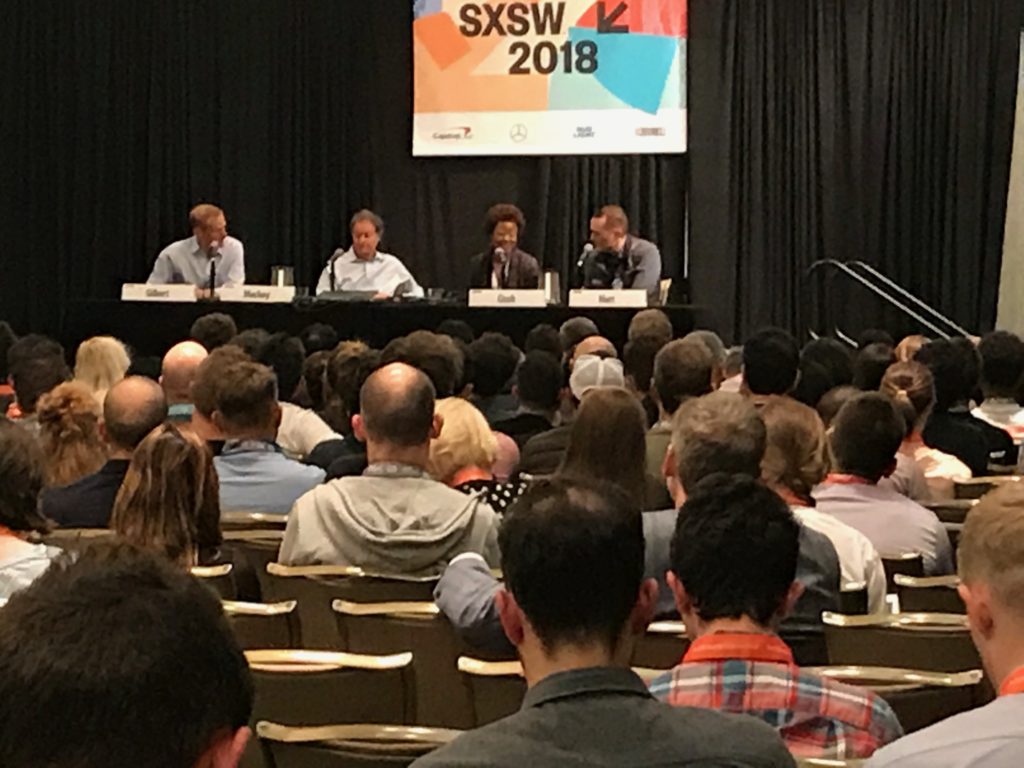
Historically, in this country, there were trillions of dollars that were not paid to African American slaves, Cash said. And this country, exported cotton harvested by free labor and people can’t forget about that, she said. And minorities were not allowed to own homes, she said.

“There has been a system that has been built that in a way is not fair to everyone and doesn’t provide equal opportunity to access,” Cash said.

Businesses need to build in the DNA of their companies a focus on looking out for their stakeholders and paying a fair wage, being thoughtful of about the diversity of supply chains and not use slave labor in supply chains, Cash said.

“I do think business overall can be a driver for change but I don’t think we can be naïve to these other forces that have really created an unjust system,” Cash said.

Don’t make capitalism the “boogeyman” for everything that is wrong in society, Mackey said. Slavery, racism, homophobia, suppression of women, are ubiquitous throughout time, he said. It’s not capitalism’s fault, it’s human beings fault, he said.

If the modern form of capitalism began a couple of hundred years ago, it’s not coincidental that happened at the same time with some of the greatest land appropriation and slavery in history, said Gilbert.

“The American economy was built on free land and free labor,” Gilbert said.

And least 65 years of modern American capitalism did not operate under the free exchange of goods and services and it’s important to sit with that and acknowledge that as part of this country’s history, Gilbert said.

That “jump start” to the American economy bestowed burdens and benefits to certain parts of the U.S. population, Gilbert said.
Businesses need to practice intentionality in hiring and promoting diverse workers and they have to have a level of consciousness about their impact on society, Hurt said.

“That’s a beautiful thing,” he said. “You have a great burden as a leader to set that kind of tone and put those types of practices in place.”

Conscious capitalism and B-Corporations just help entrepreneurs on that journey, he said.

“They are increasing in prominence,” he said.

Impact America is focused on investing in companies helping under-served communities, Cash said. It has invested in a software company bringing transparency to the supply chain vendors for companies and in a startup providing transparency in the pawn shop industry, which serves 30 million people in the U.S., she said.

Correction: An earlier version of this story misstated the amount of wealth blacks and latinos have in assets compared to whites. They have six to seven cents on the dollar for every dollar of white wealth.

Westworld at SXSW Provides a Glimpse of Living “Without Limits”

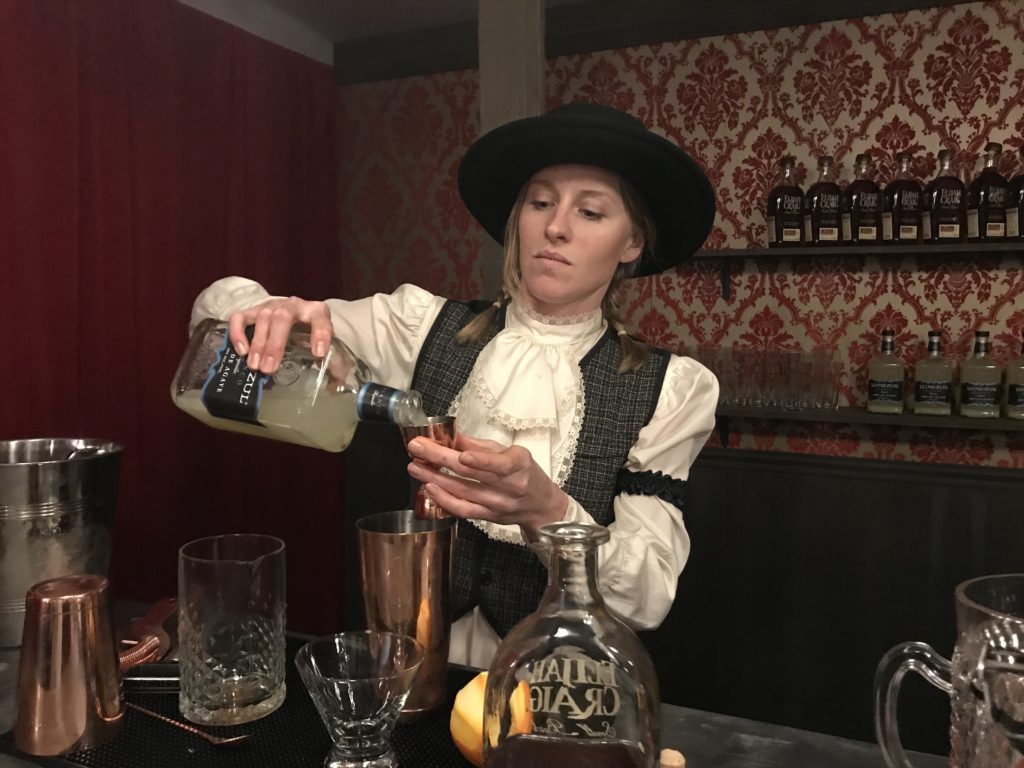
Bartendar at the Hotel Coronado in the HBO Westworld town of Sweetwater at SXSW


By LAURA LOREK
Publisher of Silicon Hills News

The Westworld at South by Southwest experience provides an entertaining look at the wild west town of Sweetwater and a life of living “without limits.”

But it is a decidedly tame version of HBO’s Westworld hit television series. That series depicts a Wild West theme park run by robotic hosts that allow the visitors, who pay $40,000 a day to go there, to do whatever they please including killing, raping and more. HBO describes the show as “a dark odyssey about the dawn of artificial consciousness and the evolution of sin.” Eventually, the Westworld hosts gain greater intelligence and memory and retaliate against their oppressors. Season Two debuts Sunday, April 22nd on HBO. The series is based on the 1973 film “Westworld” written by Michael Crichton.

At the SXSW version, visitors gather at the Mesa Gold Station, also known as the EastSide Tavern, to be transported about 30 minutes outside of Austin to an undisclosed location. Hosts, dressed all in white, serve French 76 cocktails and appetizers like brisket tater tots because “even humans need to recalibrate.”

Guests also pick up a cowboy hat: either black or white, which are assigned based on the results of a personality assessment administered during the reservation process. I got a white hat.

Once on the bus, the host instructs the guests the only rules upon entering Westworld at SXSW is to not touch anybody or break anything. He also told us there were secrets hidden throughout the park.

An elaborate flier on the bus told us to “Escape this reality. Live without Limits.”

Upon arrival, all visitors enter through an old train car meant to resemble the “Black Ridge Limited” which brings guests and hosts into the fictional town of Sweetwater. A host greets visitors in front of a case filled with guns, knives and other weapons.

WestWorld host greeting guests at the arrival point to the town of Sweetwater.

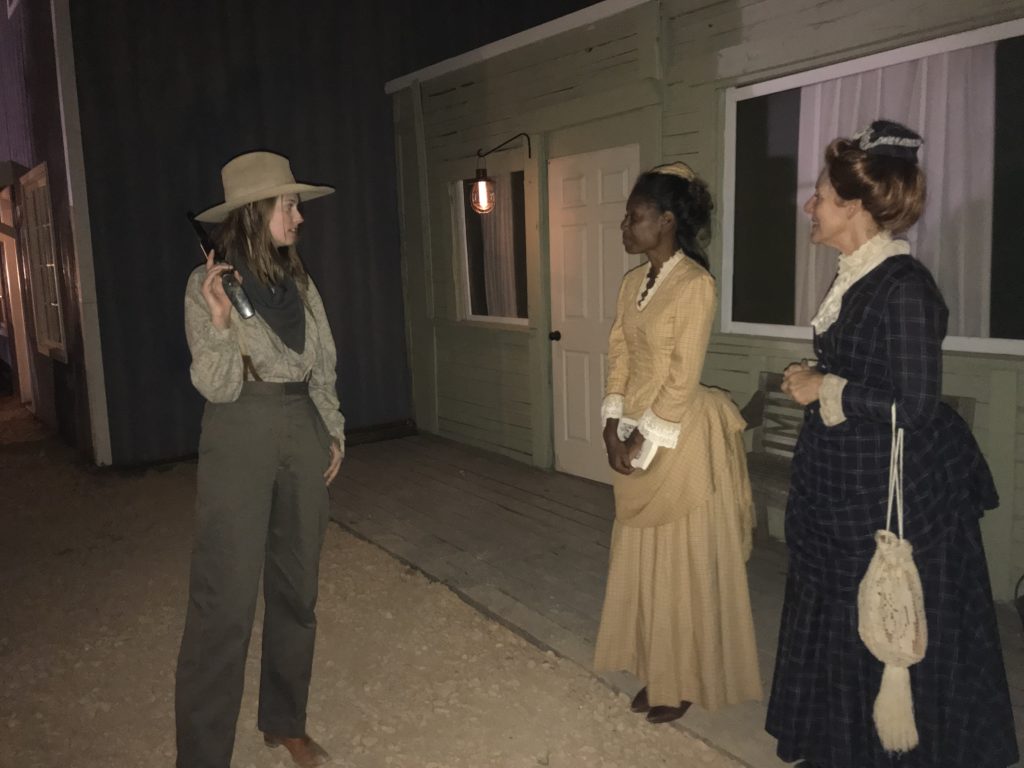
After leaving the railcar, visitors enter Sweetwater and see an old Wild West town filled with people dressed from the period. Cowboys and Cowgirls walk horses up and down the dusty street and the horses are real. The town also features landmarks from Westworld like the Mariposa Saloon and the Hotel Coronado.

At the Mariposa Saloon, bartenders served bourbon, a player piano pumped out tunes and a blackjack dealer hosted an active table of card players in the corner.

Ladies of the evening dressed in lavish gowns walked about asking patrons if they wanted to go upstairs.

Occasionally a fight broke out.

Touring the outbuildings and walking around takes about an hour. The Post Office had mail for every visitor. My mail had no words – just a drawing of the creature Delores, a character in Westworld, dreams about. It looks like a person dressed as an astronaut. Other people received letters from Roy Baggert, Sheriff of Sweetwater welcoming them to town or warning them. Other locations include the bank, the barber shop, the graveyard and the town square.

The flier also told us “in the midst of the action, guests often overlook the most nuanced details of the park. Take a minute to discover something you hadn’t noticed before.”

In the graveyard, a guest used a nearby shovel to dig up a fresh grave and in it, she found a wooden maze, like the one depicted in the show.

A building in the back had a red button that when pushed revealed a Westworld technician working on a giant human robot.

At the Coronado Hotel, bartenders served Tequila gimlets to guests and guests dined on brisket, sausage, beef jerky and beans.

A fight at the Mariposa Saloon

During our visit, a giant fight broke out and townspeople ran everywhere. A gun went off and a guy, Mr. Frank Dellacourt, ended up dead. A guest started yelling gleefully that he had visited the park seven times and he had never been able to kill the guy. He got his picture taken with the dead body. Meanwhile, three people dressed in hazmat suits came out to take the body to be reprogrammed. A lady told the other hosts to cease all motor functions while the hazmat crew worked.

Overall, an entertaining experience and great work by the actors at Westworld SXSW and worth visiting if you can snag one of the remaining tickets. The advance tickets, which included half of the appointments to visit the park, sold out immediately, but HBO is releasing new tickets daily throughout SXSW for more information follow @WestworldHBO on Twitter and then register at DiscoverWestworld.com.
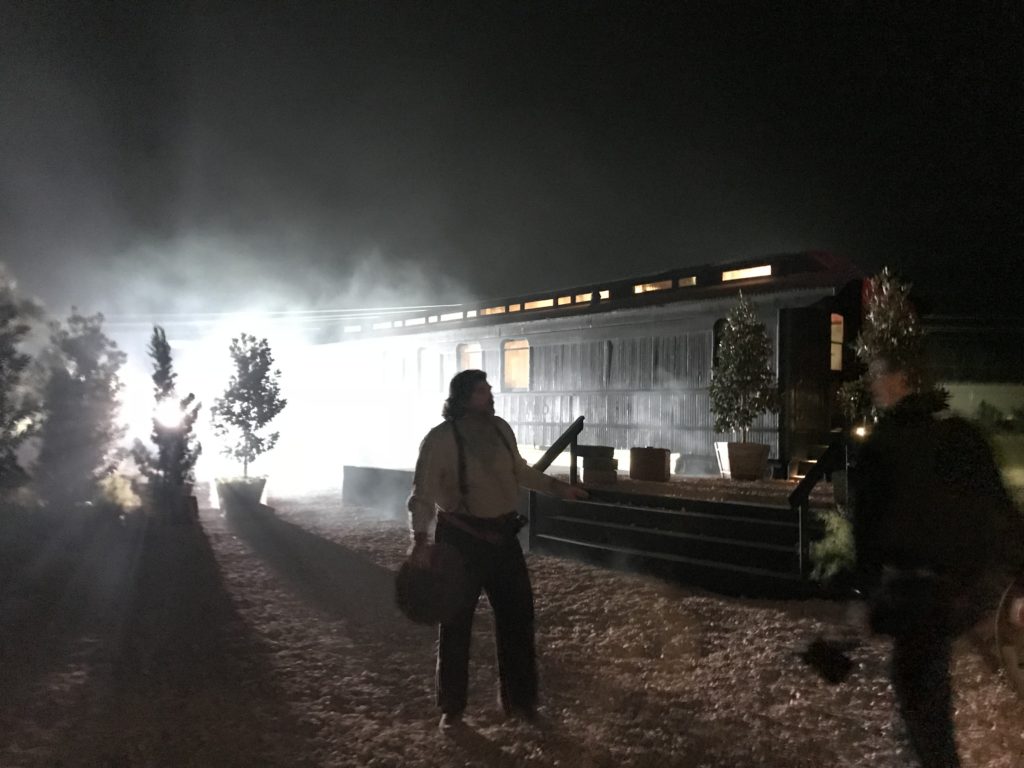
“In addition, fans who aren’t able to make an appointment online can follow @Lyft on Twitter for a special code that will unlock free Lyft rides to the park,” according to HBO.

HBO has previously hosted immersive theatrical experiences for Westworld at San Diego Comic Con and New York Comic Con in 2017. HBO began production on Austin’s Westworld park experience last November. “It took a 40-person crew five weeks to build the park onsite in Texas,” according to HBO. The cast features 60 actors, six stunt people and five bands, primarily from the local area and six horses.

HBO has five luxury Westworld shuttles, eight co-branded Lyft cars, and one Delta shuttle flight to transport guests to the park throughout the weekend.

Here’s a Facebook Live video I did from my visit:

Ireland’s Prime Minister at SXSW: A Country Leading Change

By Susan Lahey
Reporter with Silicon Hills News

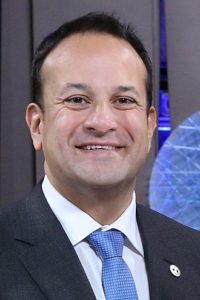
For the second time, an Irish Prime Minister will be coming to SXSW; only Leo Varadkar is a very new brand of Irish Prime Minister. Ireland’s youngest, and the first LGBT prime minister is leading a country that will soon be the only English-language country of the European Union and thus will have a new role in the world.

One of the world’s first LGBT leaders, in the first country, to legalize gay marriage by popular vote, Varadkar will be speaking on gender and diversity issues, as well as global change, and Austin’s relationship to Ireland, with Evan Smith of the Texas Tribune. The session will take place on 2 p.m. March 11 in Hilton Salon F, Varadkar will officially kick off the Irish Consulate’s celebration of St. Patrick’s week and the consulate’s third anniversary in Austin. Ireland remains the only European country with a consulate in Ireland.

International Women’s Day with a Focus on Women in Austin and at SXSW

Photo by Shamim Nakhai on Unsplash

By LAURA LOREK
Publisher of Silicon Hills News

International Women’s Day is the perfect time to highlight some of the fascinating events happening at South by Southwest focused on women, women’s rights, equality, inclusion, advancement and leadership.

It’s the era of the #MeeToo movement and #TimesUp. The hashtags for Women’s International Day are #PressforProgress and #IWD2018.

For International Women’s Day, Oksana Malysheva, co-founder of Sputnik ATX and two of the women founders in the Sputnik ATX accelerator program will be doing an Ask Me Anything or AMA on Reddit today at 2 p.m.

Photo by Jeremy Bishop on Unsplash

On Friday, there’s an event: Against All Odds: Chartering Your Path as a Woman that sounds fascinating. It features Emily Chang of Bloomberg and Kirsten Green, founder, managing director and partner at Forerunner Ventures. They’ll talk about strategies women can take to succeed in Silicon Valley. It takes place from 12:30 to 1:30 p.m. at the Hilton Austin downtown in Salon H. And it looks like the room will be at capacity and overflowing from the number of people who have already favorited it.

The media is another area where women are often underrepresented especially in leadership positions. Where are the Women How to Diversify Journalism is a panel on Saturday made up of four female print and multimedia journalists who will talk about the gender imbalance in journalism and their experiences. The discussion takes place at the JW Marriott, Salon H from 3:30 p.m. to 4:30 p.m.

Also on Saturday, Dell Technologies is hosting: Supporting Women in the Entrepreneurial Ecosystem through Public Policy from 10:30 a.m. to 11:30 a.m. at the Dell Experience at the Sunset Room at 310 East 3rd Street. Featured speakers: Hilary Rosen, Partner, SKDKnickerbocker; Meghan Buck, Co-founder, VEDA Data; Rep. Yvette Clarke; Rep. Will Hurd; Angela Roseboro, Head of Global Diversity, Inclusion & Equity, Dropbox; Julie Stitzel, Managing Director of Policy and Strategic Initiatives, Chamber Technology Engagement Center (C_TEC); Linda Moore, President and CEO, TechNet.

At SXSW this year, the first ever Pitch Black 2018: The Future is Female competition will take place on Sunday at the JW Marriott, Salon 4 from 3:30 p.m. to 6 p.m.

The event showcases four black female founders and co-founders who will compete for a chance to win a $10,000 investment from Silicon Valley-based VC firm Backstage Capital, an African-American female-led venture capital fund that invests in new companies led by women, people of color and LGBTQ founders.

And how can someone pass up a discussion with a title: Women Rule?

On Monday, at the Fairmount in the Wisteria Room, Politico’s Anna Palmer will do a live taping of her Women Rule Podcast with Milk Bar CEO and Founder Christina Tosi and Wendy Davis, former Texas State Senator and founder of Deeds Not Words. They will talk about their accomplishments and advice for other women looking to lead.

There’s a big focus on VC and capital and getting it into the hands of female founders this year.

On Tuesday, Ingrid Vanderveldt will present a session on Empowering a Billion Women with $1 Billion by 2020 at the Hilton Austin Downtown, Salon H. The event takes place from 3:30 p.m. to 4:30 p.m.

Also on Tuesday, catch Women + the Power of Community with Audrey Gelman. She co-founded The Wing, a New York City-based co-working and community space for women. She’ll be interviewed by Alyssa Mastromonaco, former Deputy Chief of Staff of Operations under President Obama.

On Wednesday, Movement Building, Women are Changing the World panel addresses the #MeToo movement and other recent pushes for equality. The event takes place at the Westin Austin downtown, Continental 1 & 2, from 11 a.m. to 12 p.m.

Seven Startup Pitch Events at SXSW 2018 to Attend

By LAURA LOREK
Publisher of Silicon Hills News

South by Southwest is a place where startups launch and get major traction. That’s why it’s also home to many pitch events. Here’s the top seven for your consideration.

Release It Sessions 1 & 2
Release It at SXSW Interactive Festival is a place for startups to launch a product or service and a panel of judges picks the winner.
WHEN: Friday, March 9: 11:00 a.m. – 12:00 p.m. and 12:30 to 1:30 p.m.
WHERE: Hilton Austin Downtown, Salon D

SXSW Accelerator & Demo Day
The 2018 SXSW Accelerator Pitch Event features 50 startups from the U.S. and worldwide. They compete in 10 categories from March 9th to March 11th in the Hilton Salon AB. All 50 will be at the Demo Day on Monday, March 12.
WHEN: Monday, March 12: 11:00 a.m. to 1:30 p.m.
WHERE: Hilton Austin Downtown, Salon C

Sound Ventures Presents: PerfectPitch
Sound Ventures, founded by Ashton Kutcher and Guy Oseary, is hosting PerfectPitch featuring five startups competing for $100,000. Judges include Matthew McConaughey, Marc Benioff, Melody McCloskey & Gary Vaynerchuk
WHEN: Saturday, March 10: 3:30 p.m. to 4:30 p.m.
WHERE: Hotel Van Zandt, 605 Davis St.

Hatch Pitch Competition
Four finalists will pitch at the Hatch Pitch event before a panel of community, corporate, angel and VC judges.
WHERE: Capital Factory
WHEN: Monday, March 12 at 9:30 a.m.

Food+City Pitch Competition: Food Systems Innovations, Sessions 1-3
The fourth annual Food+City Challenge Prize is an international competition among early-stage business startups encouraging innovation in the urban food system. Finalists addressing issues such a storage, distribution, packaging, waste, and more will compete for up to $50,000 in prizes.
WHEN: Tuesday, March 13: 9:30 a.m. to 1:30 p.m.
WHERE: Hilton Austin Downtown, Salon C

PitchTexas: Graduate Startup Pitch Competition
Student-led startups from across the United States will compete for cash prizes in front of a panel of judges.
WHEN: Wednesday, March 14: 12:30 to 1:30 p.m.
WHERE: Hilton Austin Downtown, Salon A

SXSW Gaming Pitch Competition Finals:
The pitch event features guest judges David Eddings (Rooster Teeth), Elizabeth Howard (Aspyr), Nigel Lowrie (Devolver Digital), and Jared Epicpower (Muxy). It will spotlight some of the most innovative ideas in gaming.
WHEN: Friday, March 16: 6:30 p.m. to 8:30 p.m.
WHERE: Austin Convention Center, Gaming Expo, Discovery Stage, Exhibit Hall 2

« Older posts Newer posts »

© 2026 SiliconHills

Theme by Anders Noren — Up ↑